

Stories and Information:
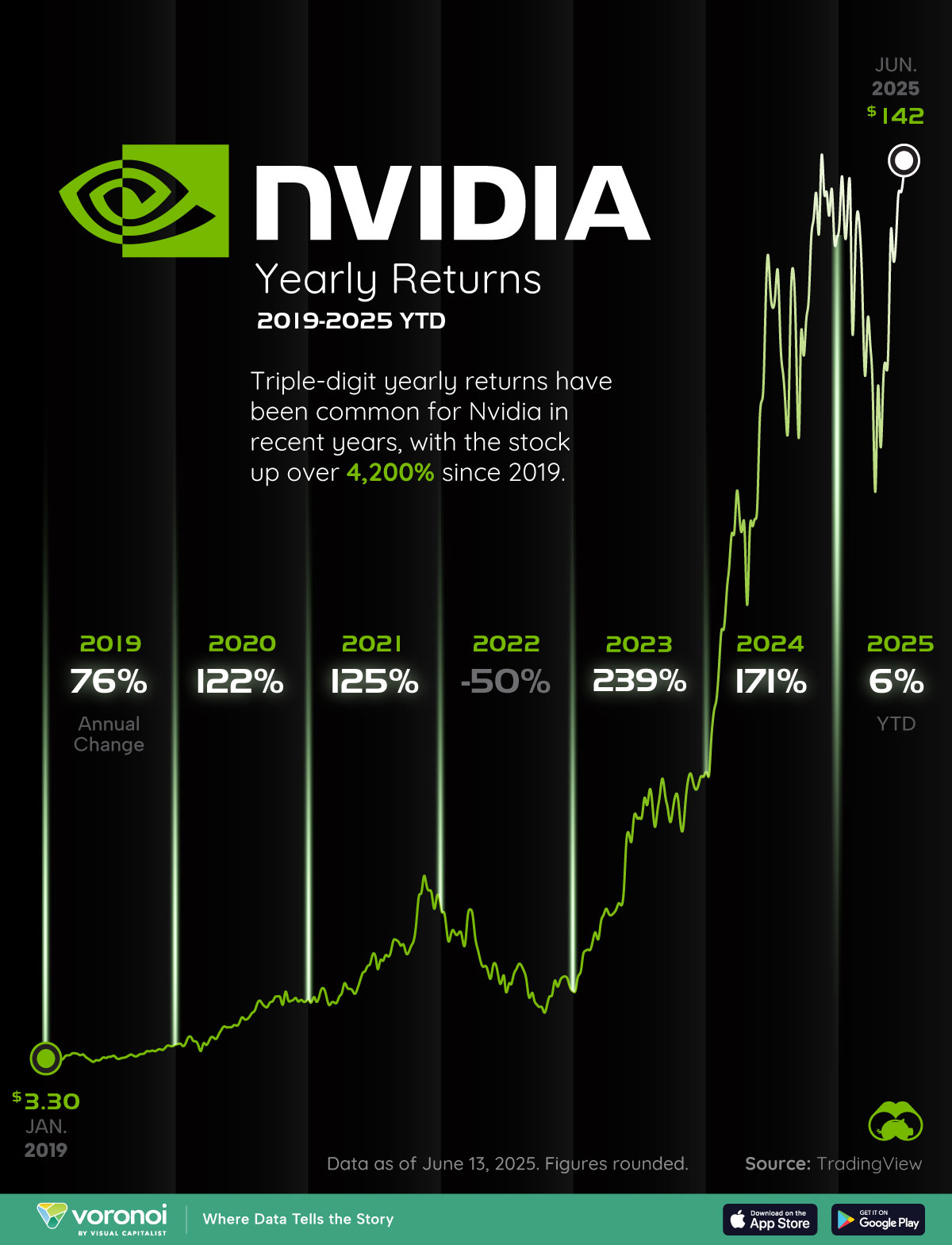
In 2025, NVIDIA’s share price didn’t just move with the broader technology sector — it repeatedly found catalysts that kept investors interested and optimistic. The company’s dominance in the artificial‑intelligence chip market has been the central theme behind its upward momentum throughout the year. Analysts pointed to overwhelming demand for next‑generation AI processors, especially the Blackwell architecture, which sold out production capacity and helped position NVIDIA as the de‑facto standard across data centers and cloud services. Strong revenue growth expectations — including projections of a 50 %+ increase in earnings — underpinned bullish price targets that projected substantial upside relative to the broader market. Nasdaq Beyond product demand, strategic positioning also played a role. NVIDIA reached a historic $5 trillion valuation in late 2025, a milestone not seen in the semiconductor industry before, reflecting confidence that its chips would power both established and emerging AI workloads across industries. The Economic Times +1 Market reactions to corporate actions also supported the stock. For example, NVDA shares climbed modestly in late December following news of a technology licensing agreement with AI startup Groq — a move analysts described as reinforcing NVIDIA’s leadership in GPU‑centric AI hardware. Investors The narrative wasn’t universally rosy — geopolitical and regulatory issues, such as export licensing requirements for certain advanced chips to China, introduced volatility — but institutional confidence remained resilient. Buy ratings and raised price targets from major investment banks helped sustain investor interest into the year’s end. NVIDIA Newsroom +1 Taken together, product leadership in AI computing, strategic industry partnerships, and strong earnings expectations have kept NVIDIA’s stock trending upward through 2025, even as broader markets grapple with macroeconomic and regulatory pressures.

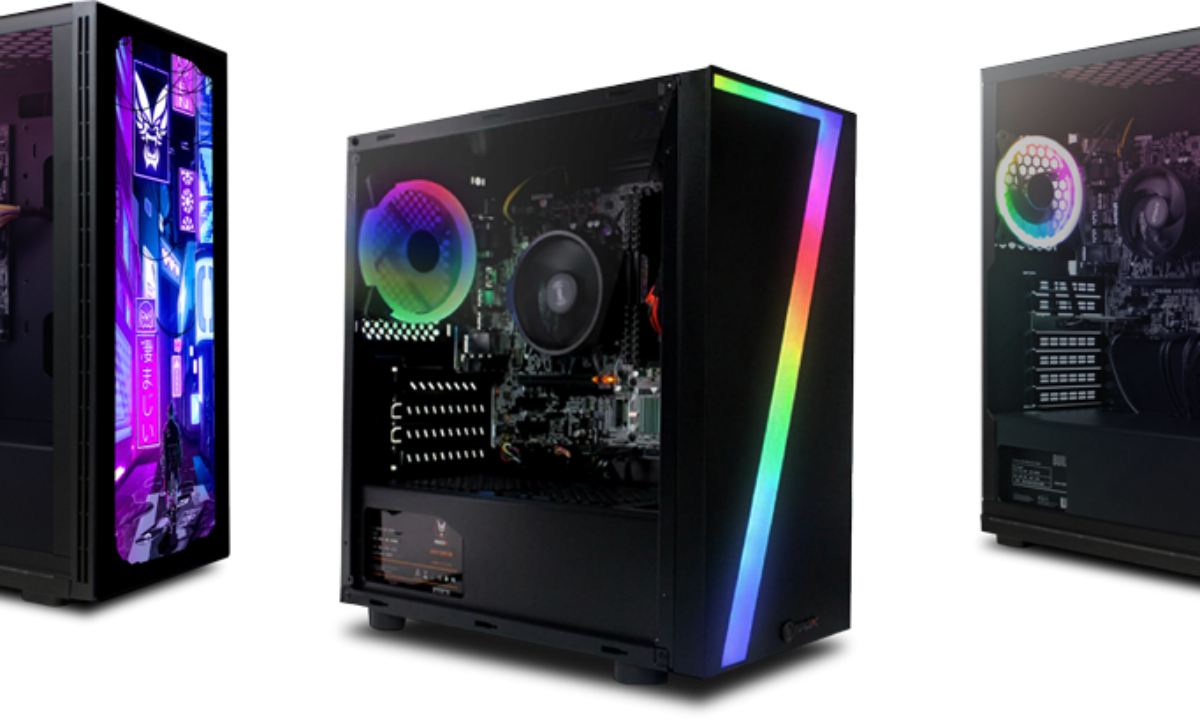
In 2025, CyberBuilt emerged from the crowded landscape of gaming hardware websites with a simple yet powerful proposition: fully customizable, high-performance gaming PCs tailored for every type of gamer. What started as a small operation focused on enthusiast builds quickly gained traction thanks to strategic partnerships with leading GPU and CPU manufacturers, including NVIDIA and AMD. The site’s rise was fueled by a combination of sleek design, detailed product guides, and a strong social media presence. Content creators and streamers began showcasing their CyberBuilt rigs, highlighting the performance and aesthetics that set the company apart. Community engagement, including forums for build advice and live build streams, cultivated a loyal following that amplified word-of-mouth marketing. Within months, traffic to the website skyrocketed, and orders increased exponentially. Limited-edition builds sold out within hours, prompting the company to expand its inventory and optimize supply chains. Investors took notice, citing CyberBuilt as a rare example of a niche e-commerce platform successfully scaling in the competitive gaming market. By the end of 2025, CyberBuilt had not only solidified its reputation among gamers but also become a reference point for high-quality, customizable gaming PCs. Its growth story highlighted how a well-executed blend of marketing, community engagement, and product excellence could turn a small website into an industry leader virtually overnight.

virtual reality (VR) is no longer just a futuristic concept — it’s reshaping the way we work, play, and connect. From immersive gaming experiences to virtual collaboration in the workplace, VR technology has moved beyond novelty into practical applications that touch every aspect of modern life. Companies across industries are investing heavily in VR hardware and software, driven by the promise of enhanced productivity, richer training programs, and deeper social engagement. Gaming continues to lead the charge, but sectors like education, healthcare, and real estate are rapidly adopting VR solutions to create more interactive and intuitive experiences. The rapid improvements in graphics, motion tracking, and haptic feedback have made VR more accessible and realistic than ever. Users can now step into fully immersive environments, interact naturally with digital objects, and collaborate in virtual spaces as if they were physically present. As adoption grows, VR is increasingly seen not just as a tool but as a platform for innovation. Analysts predict that VR, combined with AI and cloud computing, will drive the next wave of technological transformation, enabling experiences that were unimaginable just a few years ago. For anyone following the future of tech, VR represents a frontier that is as exciting as it is inevitable.